Wombat Distribution

A series of Maps with explanatory text showing historical and more current distributions of all 3 species of Wombat. Great work  done over many years by a Wombats SA scientific supporter.

Navigate directly to a Wombat Distribution section, or view the page slide show below and go to the details to see more:

Wombat Distribution Heading Map

A – Wombat Distribution – Introduction

This is an introduction to evidence collected by years of study by a scientific Wombats SA supporter of all 3 living species of wombats and their distribution. Some issues with older Wombat Distribution Maps are mentioned with explanation about their potential problems. The following pages with maps and explanation provide LOTS of details about the history of Wombat Distribution in many areas of Australia, ending up with what we see now.
Thanks for your huge research efforts and help with these pages Mike Swinbourne!
You can see other information by Mike using a link on the detailed page using the [ Read More ] button below.

B – WA Wombat Distribution

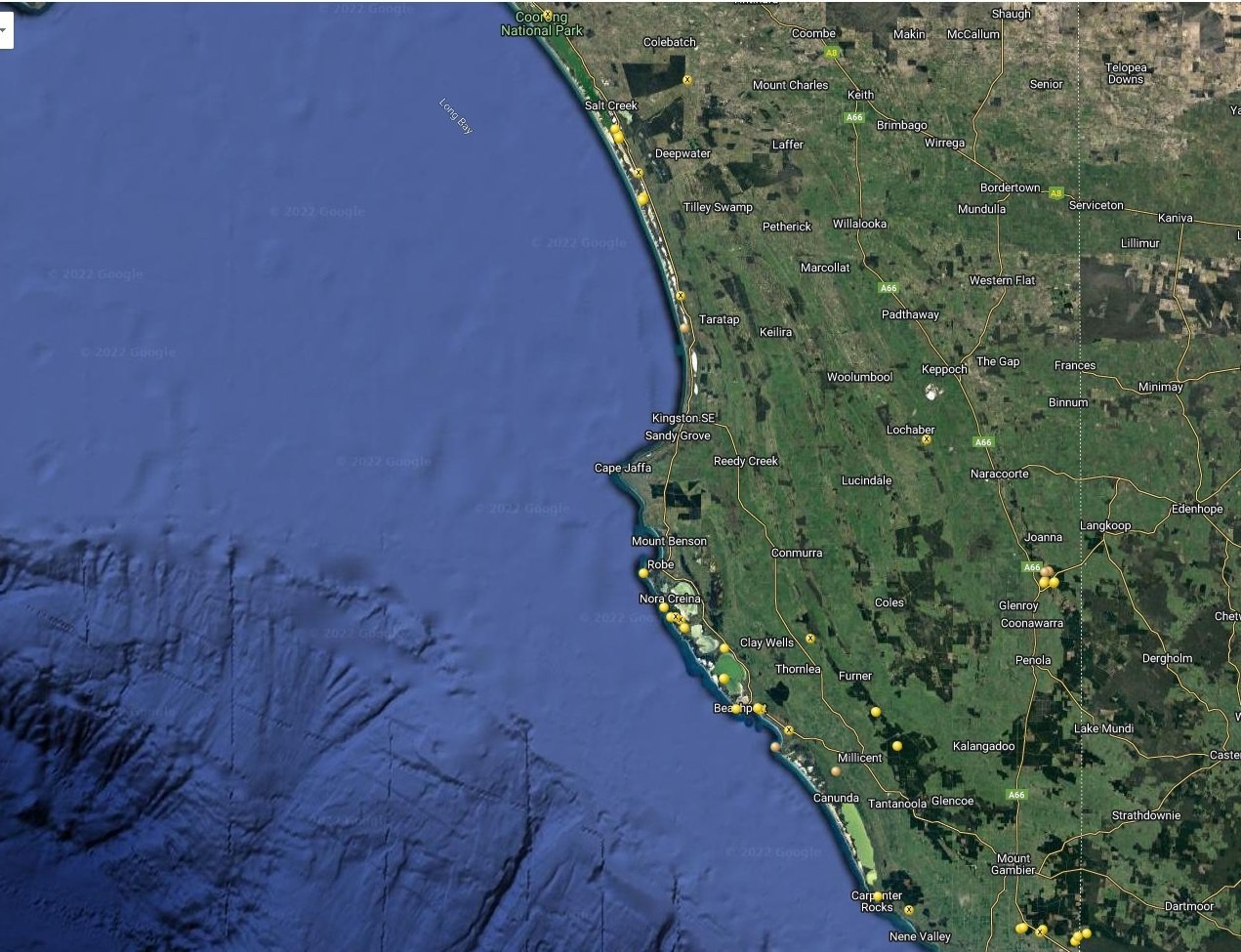
Explanation of what a distribution map can tell us, using Southern hairy-nosed wombat distribution in WA as the example.
Plus other information about distributions and changes that can occur over time.
This page helps you understand more about what we can learn from historical and current research results.
Use the [ Read More ] button to see the details.

C – SA Historical Wombat Spread Comparison

Reliable studies of southern hairy-nosed wombats began in the 1970s, showing populations on the Nullarbor and Gawler Ranges already expanding after rabbit control. Since then, numbers and range have continued to grow, with areas once considered wombat-free near the WA border now supporting high densities. These changes highlight how rapidly wombat populations can shift over time.

Eyre Peninsula Wombats

D – SA Wombat Distribution

The distribution of southern hairy-nosed wombats on Eyre Peninsula shows how land-use shapes populations. Wombats thrive in open grazing areas but are absent from cropping zones and dense woodlands. This means land clearance for grazing can increase numbers, while cropping or intact scrub suppresses them.

Conflicts arise in mixed-use regions like Penong, where wombats occupy grazing land but clash with farmers over cropping. In some areas, such as the Lockes Claypans, populations only appeared after land was cleared, likely spreading along roads from other habitats. These examples highlight how human-driven landscape changes create both opportunities and challenges for wombat populations.

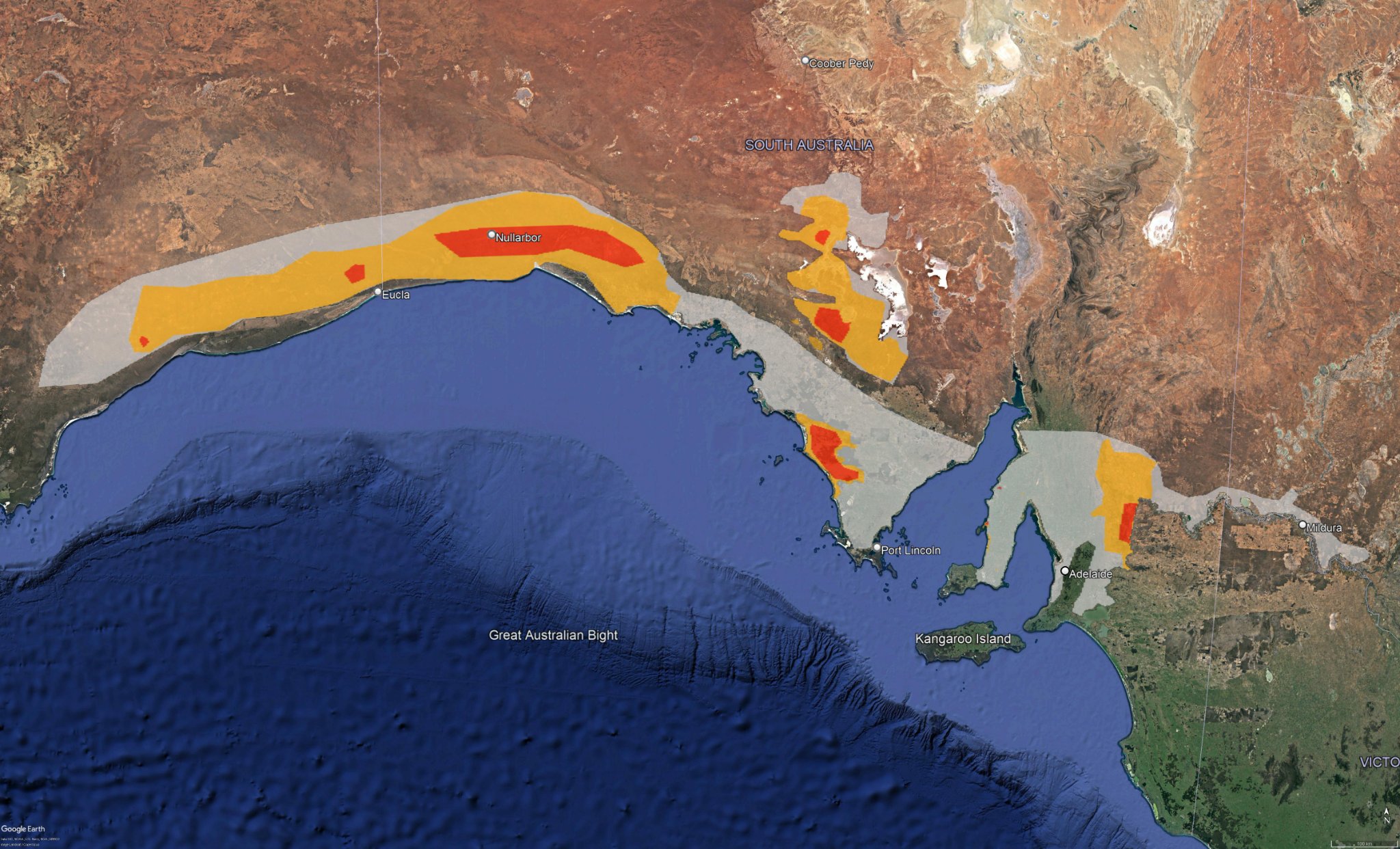
E – Southern Hairy-nosed wombat Distribution – SA

Our researcher is confident that this is a fairly accurate portrayal of Southern Hairy-nosed Wombats, with explanation.
With colours on the map representing different time points:
The distribution around the middle of the nineteenth century, when reporting & recording started.
The distribution in the middle of the twentieth century, after rabbit plagues & before wombats were a protected species.
And the distribution in more current times.

F – Northern Hairy-nosed Wombat History

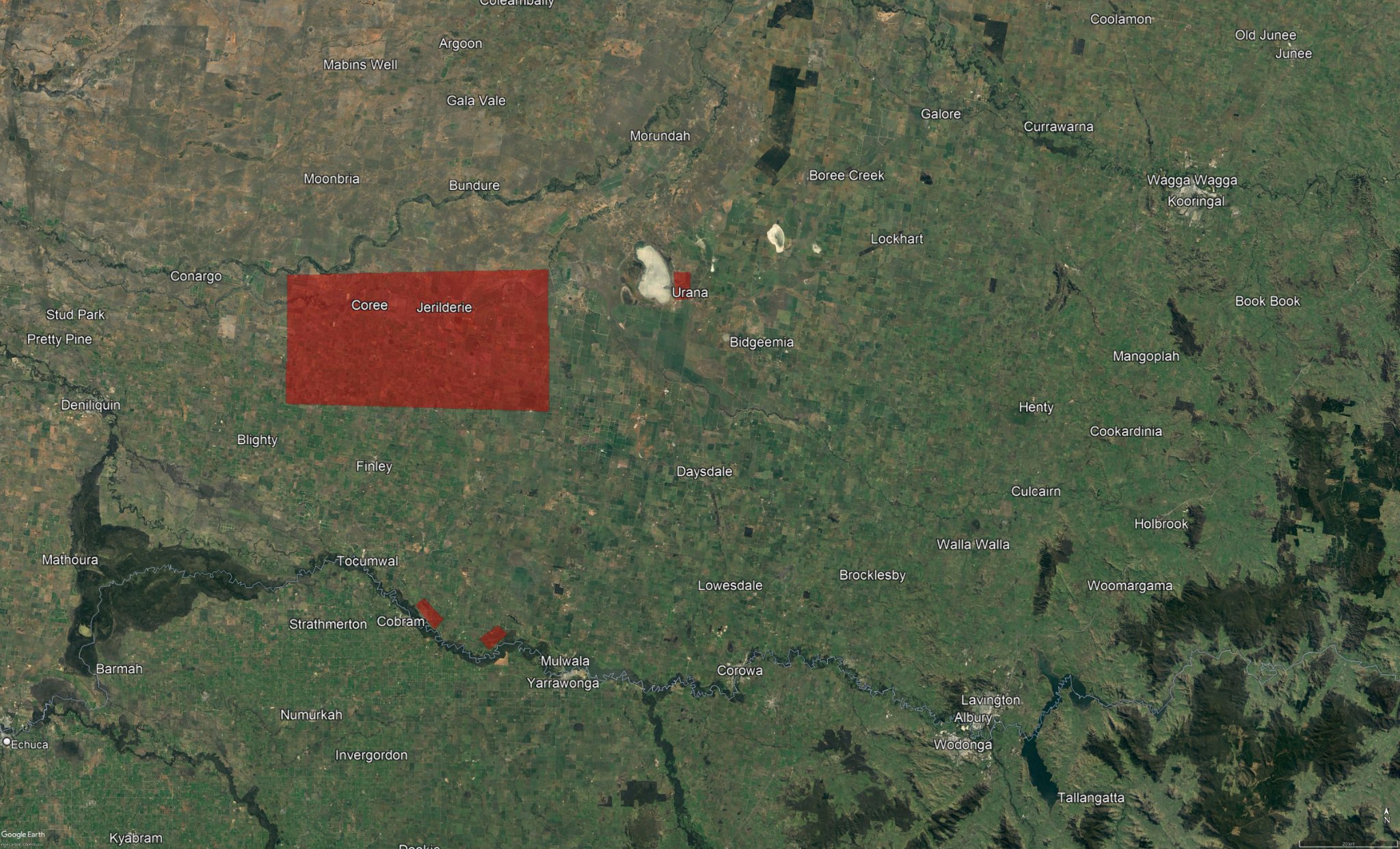
Historical information about Northern Hairy-nosed wombats -first found by Europeans in the mid-nineteenth century in the Riverina, NSW.
Their story represents one of the best and worst examples of how we have treated our native wildlife in Australia.
The species only reached the verge of extinction because we deliberately exterminated almost all of what was already a very fragile population!
They were initially identified as Southern Hairy-nosed wombats because of their similarities to the wombats already found in SA.
Our researcher estimates that there were between 10 – 30,000 N.H-N wombats in this region at the time!
During a rabbit invasion in the late 1870s, a 5 shilling bounty on each wombat destroyed used to remove their burrows (est. A$25-$100 today)!
By the turn of the century they were either close to, or had become, locally extinct!

G – Northern Hairy-nosed Wombat History #2

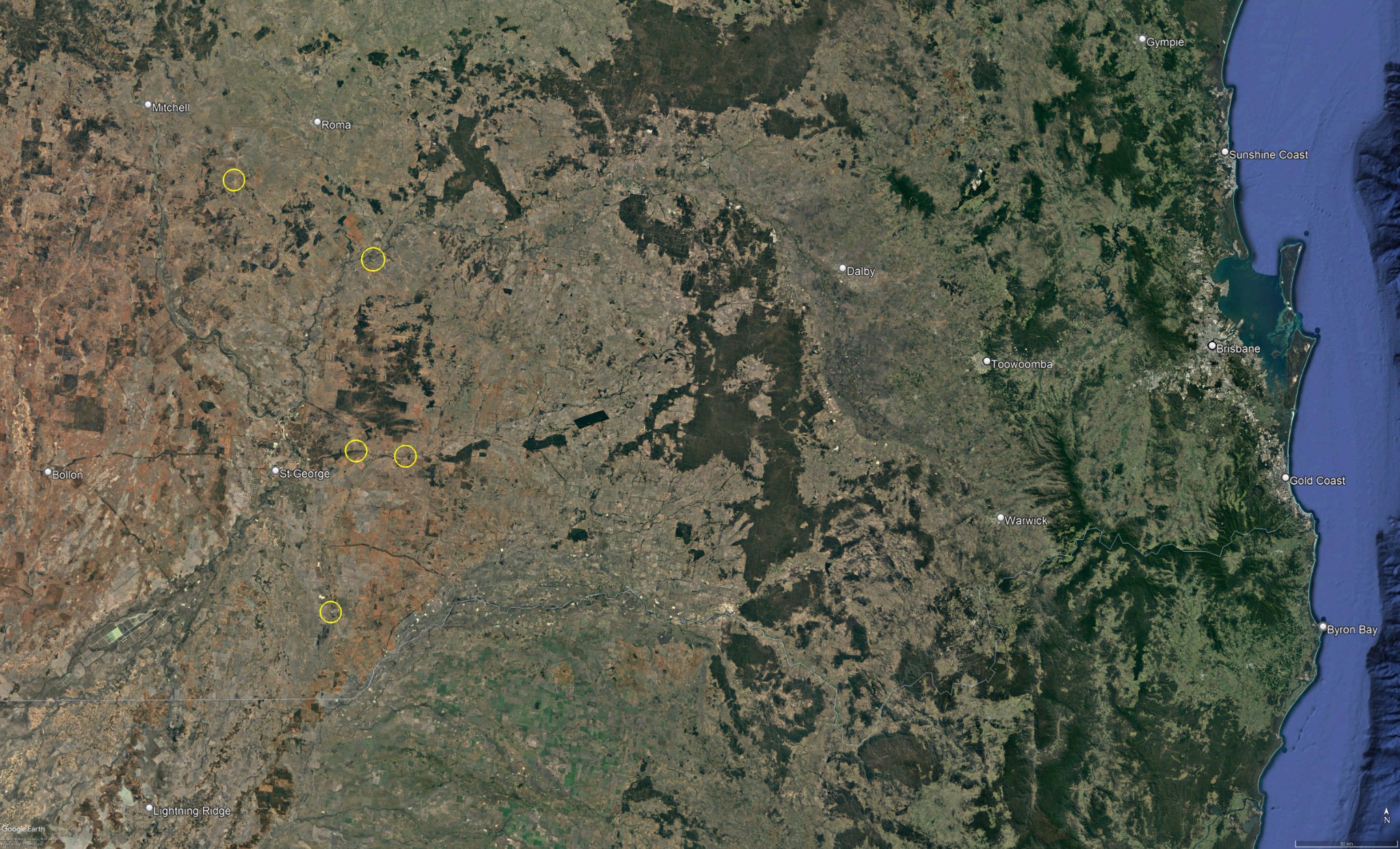
A second population of Northern Hairy-nosed wombats was first recorded in Southern Queensland.
Major Sir Thomas Mitchell in May 1846 wrote in his journal of the country being ‘hollowed out by some burrowing animal’.
The presence of hairy-nosed wombats in Queensland was not confirmed until 1900, from three specimens obtained between 1891 – 1899 near the Moonie River.
The geographic extent of the region’s wombat population may have been quite large but very patchy,
Wombats were called ‘impossible to find along the Moonie’, suggesting that they may gone extinct there in the 1920s.

H – Northern Hairy-nosed Wombat Recent information

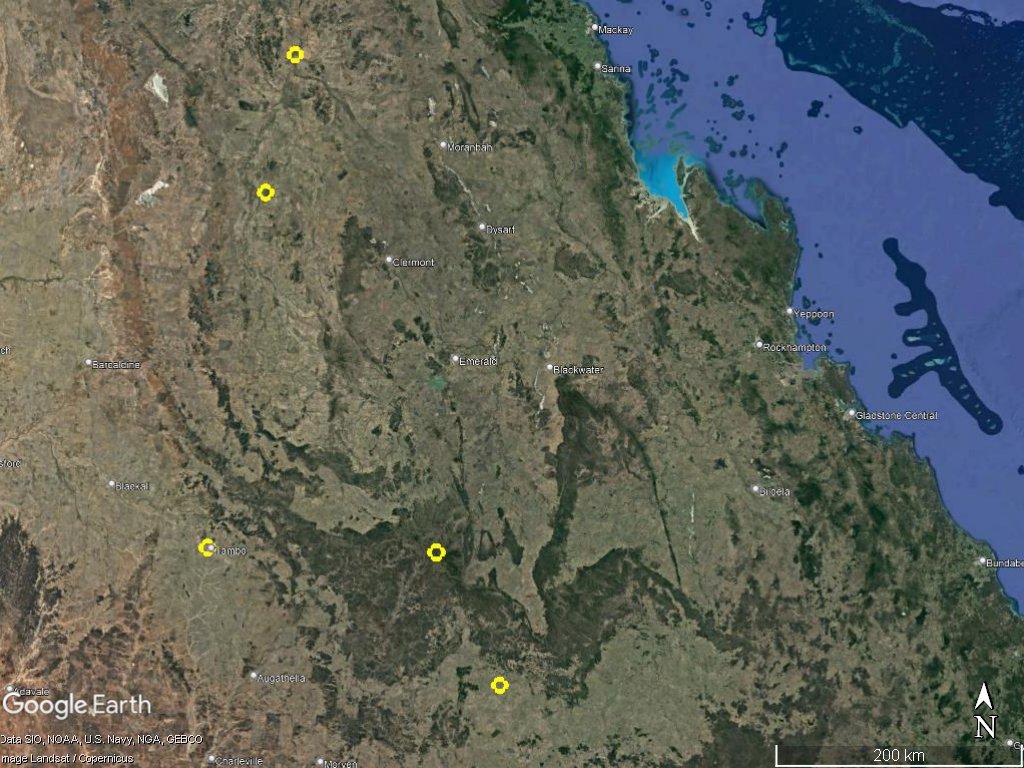
The first confirmed report of Northern hairy-nosed wombats in Epping Forest was made in 1937.
They were thought to be extinct! It’s great that successful population recovery work is happening now.
Inspections of the area between 1974 – 1982 revealed traces of disused wombat burrows and population contractions.
Found sites may have had the densest population groups of a geographically large – but extremely patchy – population.
It’s likely that competition from cattle grazing, especially during periods of drought almost caused extinction.

Northern Hairy-nosed Wombat distributions

I – Northern Hairy-nosed Wombat Current Distribution

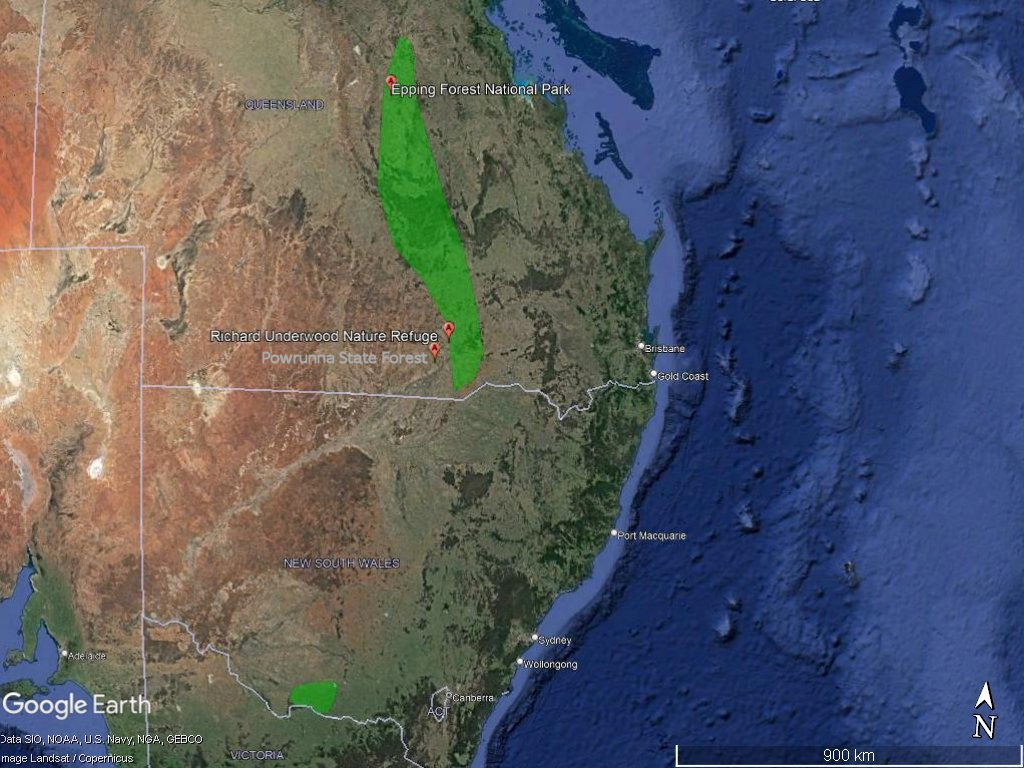
The Northern Hairy-nosed Wombat’s current distribution is very small. The map marker pins show 3 places where they are now located.
The Epping Forest National Park in central Queensland was the last remaining wild, natural population, now protected by a predator-proof fence and reproducing well!
The Richard Underwood Nature Reserve colony translocated from Epping Forest be an insurance population, and to handle the population overflow.
Powrunna State Forest, had a population established there in 2024, to expand the threatened species’ security even further.
The Green Map Areas show the likely distribution of northern hairy-nosed wombats in the mid-nineteenth century.

Bare-nosed Wombats in Forest

J – Bare-nosed Wombat Information

Our very experienced wombat researcher found that providing accurate ‘former’ distribution maps for Bare-nosed wombats is affected by a lack of detailed work to try and map species in the mid-nineteenth century. The level of reporting is actually quite low. So he had to do quite a bit of “detective work” and extrapolate from their distribution today, along with what scant information is available. Knowing the sort of landscape they prefer today helps create a ‘likely’ distribution.
Thanks for Bare-nosed wombats in forested areas photos Jarake Wildlife Sanctuary.Click this link to see what they do.

K – Bare-nosed Wombat SA Historical Information

Bare-nosed wombats can be found today in the South-east corner of SA and both Southern hairy-nosed and Bare-nosed Wombats may well have both been found along the opposite banks of the Murray River in the past. Most probably with Hairy-nosed wombats being on the West & Bare-nosed wombats on the East of the southern part of the Murray River as they are today.
Bare-nosed wombat distribution is much more southerly now.

L – Bare-nosed Wombat QLD Historical Information

The distribution of Bare-nosed wombats, Vombatus ursinus may have changed over time at the north-eastern extent of its distribution in SE Queensland.
They may have been further north but there is no confirmed evidence.
Currently confirmed to occur in the Stanthorpe / Giraween region.

M – Bare-nosed Wombat VIC Historical Information

There’s a lot to learn from what distribution maps of Bare-nosed wombats in Victoria are telling us.
From 1926 – 1966 Victoria had a bounty on any wombat destroyed!
Only in February 2020 wombats were officially listed as protected in the state.
Many landscape changes and housing estate / business precinct developments will affect them in Victoria.

Vombatus ursinus subspecies tasmaniensis

N – Bare-nosed Wombat TAS Historical Information

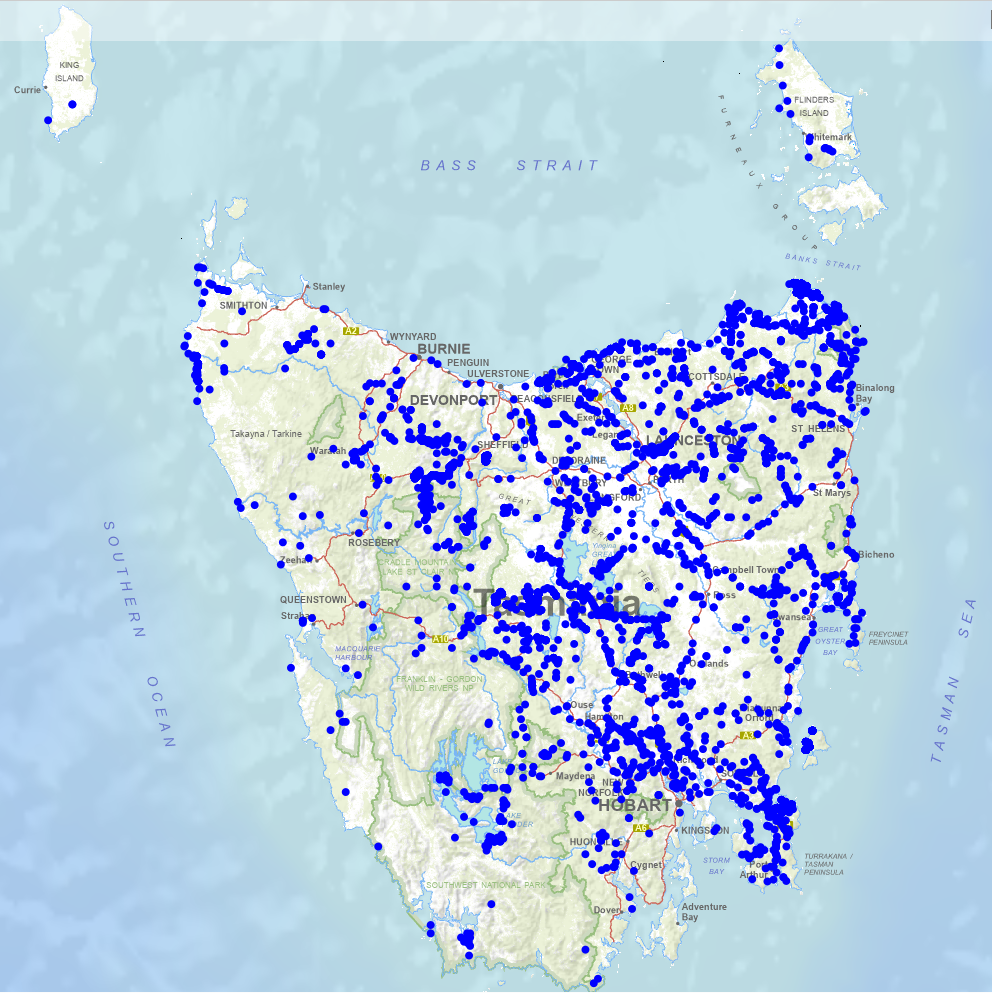
Bare-nosed wombats (Vombatus ursinus and subspecies) are found in Tasmania & offshore islands, e.g. the Bass Strait Islands.
The various islands have different distributions of wombats and some are mange free, which is great.
On Tasmania itself wombats are fairly widespread, occurring in most parts of the state and mange is a significant problem in some parts of the state.
The overall trend in Tasmanian wombat numbers has been positive over the past few decades.

Bare-Nosed Wombat Current Distribution

O – Bare-nosed Wombat Full Recent Distribution

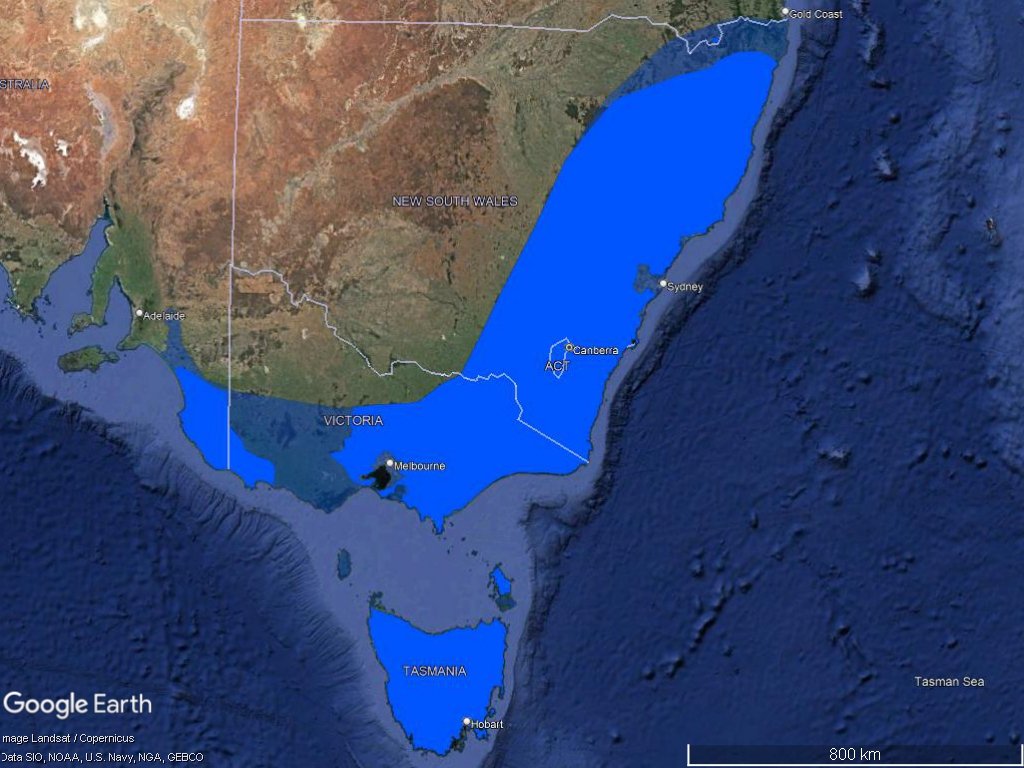
Bare-nosed Wombat (Vombatus Ursinus) Full Distribution Map.
The map shows the likely current & early nineteenth century distribution of Bare-nosed wombats.
But a number of important considerations need to be kept in mind when looking at the map.
This map may vary compared to others you find on the Internet.
Report anomalies and assumptions affected historical information and land clearance for grazing agriculture have affected current distribution.

Australian Wombat Distribution Map

P – All Wombat Species Current Distribution

This map shows the distribution of all three wombat species on a single image.
Showing ALL 3 wombat distributions, historically to reasonably current.
Mid-nineteenth Century distribution to Early Twenty first Century distribution for all species